Updated 23rd December 2025
Car batteries don’t last forever, and when they fail, it’s usually sudden: a slow crank, a clicking sound, or silence. In the UK, most car batteries last around 3–5 years, though some can last up to 6 years depending on how the vehicle is used and the conditions it’s exposed to.
This guide explains what affects battery life, how to extend it, and the warning signs your battery may be on its way out.

How long should a car battery last?
There are many factors that can affect how long a car battery lasts, but as a general rule in the UK, you should expect around 4–5 years from a healthy battery. Some may fail sooner, while others can last longer with careful use.
Things that can shorten a battery’s lifespan include:
- Frequent short journeys, especially in towns and cities
- Stop-start driving
- Cold winter temperatures, which reduce battery performance
- Vibration if the battery isn’t secured properly
- Moisture and corrosion on battery terminals
- Increased demand from modern electrical features such as heated seats, infotainment systems, dash cams, and phone charging
When electrical systems continue to draw power after the engine is switched off, this is known as parasitic drain. Over time, this can weaken the battery, particularly if the car isn’t driven regularly.
Even with good care, most batteries will naturally degrade, which is why replacement is often needed as a vehicle approaches five years of use on the same battery.
How can you extend the battery’s lifespan?
While no car battery lasts forever, below are five simple steps you can take to help extend its life:

1. Keep it clean: Whenever you open the bonnet, for example, to check oil or top up washer fluid, inspect the battery. Wipe away dirt or moisture and make sure it’s securely fixed in place.
2. Drive the car regularly: Car batteries recharge while the engine is running. If you don’t use your car often, aim for a 30-minute drive every couple of weeks to help keep the battery topped up.
3. Avoid too many short trips: Repeated short journeys drain the battery without giving it enough time to recharge. If most of your driving is around town, try to give the car a longer run occasionally.
4. Don’t drain it unnecessarily: Avoid leaving lights, the radio, air conditioning, or other electrical features running when the engine is switched off.
5. Service the car regularly: Routine servicing usually includes a battery check, which can help identify problems early before the battery fails completely.
What are the tell-tale signs that a battery is ready for replacement?

- Engine struggles to start: If the starter motor labours, the engine cranks slowly, or the car fails to start at all, the battery may be weak.
- Battery warning light: Most cars have a battery warning light on the dashboard. If it illuminates, it usually indicates a problem with the battery or charging system that should be checked as soon as possible.
- Dim lights or electrical issues: If headlights appear dim or electrical systems struggle even when the engine is running, the battery may no longer be holding enough charge.
Don’t ignore the warnings
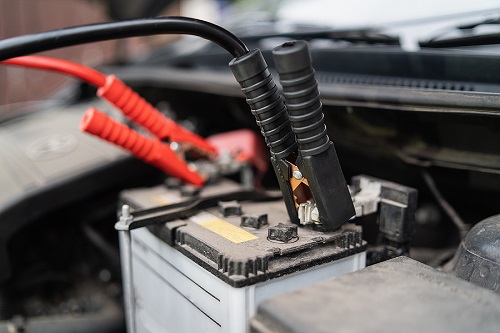
A failing battery can leave you stranded at the worst possible time. While jump-starting a car may get you moving temporarily, it’s far better to avoid the inconvenience with regular checks and timely replacement.
If your battery is approaching 4–5 years old, or you’re noticing any of the warning signs above, it’s worth having it tested before it fails completely.
Frequently Asked Questions About Car Batteries
How long do car batteries last in the UK?
In the UK, most car batteries last between 3-5 years, although some can last up to 6 years with careful use and favourable conditions. Battery lifespan depends on several factors, including how often the car is driven, the type of journeys made, weather conditions, and the electrical demands of the vehicle.
Short trips, stop-start driving, and cold winter temperatures are common in the UK and can all reduce battery life. Even well-maintained batteries will naturally degrade over time, which is why replacement is usually needed once a battery approaches five years old.
How do I know if my car needs a new battery?
There are several warning signs that may indicate your car battery is nearing the end of its life. Common symptoms include slow or laboured engine starting, a clicking sound when you turn the key or press the start button, and the battery warning light appearing on the dashboard.
You may also notice dim headlights or electrical features such as windows, infotainment systems, or climate control not working as they should. If your battery repeatedly needs jump-starting, it’s a strong sign that it should be tested or replaced.
What drains a car battery when the car is switched off?
Even when your car is parked and switched off, some electrical systems continue to draw power. This is known as parasitic drain. Systems such as alarms, immobilisers, onboard computers, and keyless entry features all use small amounts of electricity to remain active.
Parasitic drain is normal to an extent, but if the car isn’t driven regularly, the battery may not have enough opportunity to recharge. Faulty components, aftermarket accessories, or devices left plugged in can increase drain and cause the battery to weaken more quickly.
How long can a car battery last without driving?
A car battery can begin to lose charge after a few weeks of not being driven, particularly in colder weather or in vehicles with higher electrical demand. Modern cars often have more systems running in the background, which can accelerate battery drain when the car is left unused.
If you don’t drive your car often, taking it for a 30-minute drive every couple of weeks can help keep the battery charged. For vehicles that are rarely used or stored for longer periods, a battery conditioner or maintainer may help prevent the battery from going flat.
Can jump-starting damage a car battery?
Jump-starting a car is generally safe when done correctly, but repeated or incorrect jump-starting can cause damage. Electrical surges during jump-starting may affect the battery itself or sensitive vehicle electronics, especially in modern cars.
If your car frequently needs jump-starting, it usually means the battery is no longer holding a proper charge or there is an underlying issue with the charging system. In these cases, it’s better to have the battery tested and replaced rather than relying on repeated jump-starts.
Is cold weather bad for car batteries?
Yes, cold weather can significantly affect car battery performance. Low temperatures slow the chemical reactions inside the battery, reducing its ability to deliver power. This is why batteries often fail in winter, even if they seemed fine during warmer months.
Cold starts also require more power from the battery, putting additional strain on older or weaker units. Keeping your battery in good condition and ensuring it’s properly charged can help reduce the risk of winter breakdowns.
 by
by