Summary:
The new MOT rules coming into effect in 2026 introduce stricter anti-fraud measures, new lifting equipment requirements for heavier electric vehicles, additional high-voltage safety checks for EVs, and tighter disciplinary bans for testers. However, the first MOT remains due at three years, and annual testing continues as normal.
After a two-year consultation on the future of the MOT, the Department for Transport (DfT) and the Driver and Vehicle Standards Agency (DVSA) have confirmed the shape of Britain’s roadworthiness test for the electric age.
MotorCheck UK has reviewed official Government consultation responses and DVSA Special Notices to break down exactly what’s changing in 2026 and what isn’t.
Whether you’re checking when your first MOT is due, how much a test costs, or what the latest rule changes mean for electric vehicles, this guide covers everything UK motorists need to know.
Key MOT Changes in 2026 at a Glance
- Stronger lifting equipment required for new MOT bays
- Stricter bans for fraudulent testers
- Vehicle photography to prevent “ghost MOTs”
- Additional high-voltage safety checks for EVs and hybrids
- Updated inspection guidance for seatbelts and quadricycles
- No change to first MOT timing (still three years after registration)
Why Is the MOT Changing?
Modern cars and vans bear little resemblance to the vehicles on UK roads when the Ministry of Transport (MOT) test was introduced in 1960. Today’s vehicles are heavier and packed with advanced safety systems, including:
- Anti-lock braking systems (ABS)
- Traction control
- Lane assist and driver-assistance systems
- Intelligent airbags and seatbelt systems
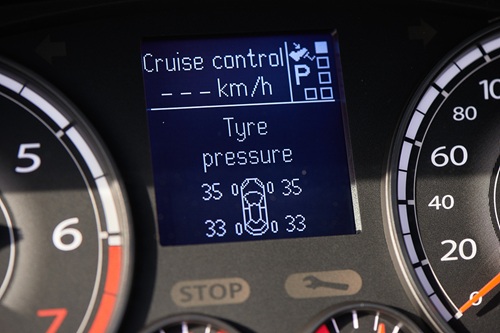
- Tyre Pressure Monitoring Systems (TPMS)
- High-voltage electric drivetrains
In January 2023, the Government launched a consultation asking whether:
- The first MOT should move from three to four years
- The gap between tests should be extended
- The inspection should better accommodate electric and autonomous vehicles
The conclusion was clear: the first MOT will remain three years from registration, and tests will continue annually thereafter. However, the inspection itself is being modernised to reflect new vehicle technology and to tackle fraud.
New MOT Equipment Rules for Electric and Hybrid Vehicles
One of the most significant changes relates to heavier electric and hybrid vehicles.
From 1 April 2026, any garage applying to open or modify a Class 4 MOT bay must use:
- A jacking beam with a minimum safe working load of 2 tonnes
- A lifting-pad distance of at least 1,700 mm
The DVSA introduced this requirement because many newer electric and hybrid vehicles are significantly heavier due to their battery packs and cannot be safely lifted on older equipment.
Importantly, this requirement applies only to new or modified MOT centres. Existing approved bays that do not change ownership or configuration before April 2026 can continue using their current equipment.
New Anti-Fraud Measures for MOT Testing in 2026
The DVSA is tightening enforcement against “ghost” MOT certificates where a vehicle is issued a pass without being properly tested.
From 9 January 2026:
- Testers or Authorised Examiner Principals (AEPs) given a two- or five-year disciplinary cessation will be banned from holding any MOT role during that period.
During a six-week pilot, 170 testers across 62 garages uploaded more than 13,000 vehicle images to the MOT Testing Service to confirm vehicles were physically present.
The DVSA intends to extend vehicle photography requirements nationally, meaning your car may be photographed when attending its MOT test.
New Checks for EVs and Hybrid Vehicles
As electric vehicle adoption grows, the MOT test is adapting.
Testers will carry out additional visual inspections of:
- High-voltage cabling
- Traction batteries
- Charging ports
- Visible battery mountings
The DVSA has updated its inspection manual to highlight the risks of damaged high-voltage components, which can deliver a fatal electric shock.
Only mechanics trained to work safely on EV systems will be permitted to conduct these inspections.
Seatbelts, Child Seats and Other Updates

Several smaller but important refinements are also being introduced.
If a child seat blocks access to a seatbelt buckle, testers must inspect as much of the belt as possible and issue an advisory note because the buckle could not be fully checked.
Additional updates include:
- Clearer brake testing guidance for four-wheel-drive vehicles
- Revised definitions for quadricycles
- Updated rules on seatbelt anchorage points
Most of these changes refine existing procedures rather than introduce entirely new tests.
What Isn’t Changing?
Despite speculation during consultation, the Government has ruled out delaying the first test.
- Your first MOT is still due three years after registration.
- Tests remain annual thereafter.
- Electric vehicles follow the same schedule.
MOT fees also remain capped by the Government:
- £54.85 maximum for a standard car (Class 4)
- £29.65 maximum for a motorcycle
Garages can charge less but cannot exceed the cap. VAT is not added to the MOT fee.
What Happens If You Drive Without an MOT?
Driving without a valid MOT certificate can result in:
- A fine of up to £1,000
- Higher penalties (up to £2,500 and three penalty points) if the vehicle is deemed dangerous
- Possible driving disqualification for repeat offenders
There is no grace period once your MOT expires. From midnight on the expiry date, driving for everyday use becomes illegal.
Police use Automatic Number Plate Recognition (ANPR) cameras to check vehicles against the DVSA database in real time.
Insurance Implications
Driving without a valid MOT can invalidate your insurance policy.
Most insurers require your vehicle to be legally compliant and roadworthy at all times. Driving uninsured carries separate penalties, including:
- A £300 fixed penalty
- Six penalty points
- Vehicle seizure
Failing to book your MOT could therefore expose you to significant financial risk.
How to Prepare for an MOT in 2026
Although new EV checks are being introduced, most preparation steps remain unchanged.
Before your test:
- Check all lights and indicators
- Inspect tyres for cuts, bulges and tread depth above 1.6mm
- Top up oil, brake fluid, coolant and screenwash
- Listen for unusual suspension or brake noises
- Ensure the windscreen and wipers are clean and undamaged
- Fix illuminated dashboard warning lights
- Secure or remove child seats where possible
Regular servicing helps prevent failures, but it does not replace the legal requirement for an MOT.
Why Checking MOT History Matters
If you’re buying a used car, reviewing its MOT history is essential.
A vehicle history check can reveal:
- Previous MOT failures and advisory notes
- Mileage discrepancies
- Outstanding finance
- Insurance write-offs
- Ownership history
Research suggests that a significant proportion of used vehicles have some form of hidden issue, including missed or overdue MOTs.
What the New MOT Rules Mean for UK Drivers
The Government has confirmed that MOTs remain an essential annual safety safeguard rather than a bureaucratic chore. The 2026 changes modernise the test to handle electric vehicle technology, strengthen the fight against fraud and ensure garages are equipped for heavier cars. By staying on top of maintenance and booking your test on time, you can avoid fines, protect your insurance and keep Britain’s roads among the safest in the world.
If you’re buying a used vehicle or want to check a car’s MOT history before committing, MotorCheck UK provides instant access to official MOT records, mileage data and finance checks helping you make safer, more informed decisions.
FAQ: New MOT Rules and Common Questions
What does MOT stand for?
MOT stands for Ministry of Transport. Although the Ministry itself was abolished in 1970, the name remains attached to the annual roadworthiness inspection.
When does a new car need its first MOT?
A new car, van or motorcycle requires its first MOT three years from the date of first registration and annually thereafter.
How long is an MOT certificate valid?
An MOT certificate is valid for 12 months. You can book your next test up to one month (minus a day) before expiry without affecting the renewal date.
How much does an MOT cost?
The maximum charge for a standard Class 4 car is £54.85. Motorcycles cost up to £29.65. Garages may charge less but cannot exceed the cap.
Can I drive to a test without an MOT?
Yes, but only to a pre-booked MOT test or to a garage for repairs. You must be able to prove the appointment, and the vehicle must not have a dangerous defect.
Are classic cars exempt from MOTs?
Vehicles over 40 years old that have not been substantially modified may be exempt, but they must still be kept in a roadworthy condition.
 by Dave Bolger