How to Spot and Avoid an Insurance Write-Off Car
- 09 Jun 2026
- in car buying tips
- by Michael Rochford
Quick Answer: An insurance write-off is a car an insurer has decided is uneconomical or unsafe to repair. To avoid buying one unintentionally, obtain a vehicle history check before making any payment. It will reveal whether the car has been written off and under which category (A, B, S or N). Be cautious of any seller who has not disclosed a write-off, and avoid Category A or B cars entirely, as these are not permitted to return to the road.
Many UK buyers have paid thousands for a used car that appeared to be in excellent condition, only to discover later that it had been written off following a serious accident and superficially repaired before sale. A repaired write-off is not always a poor purchase, but one that has been repaired badly can be unsafe, difficult to insure, and worth considerably less than you paid.
The reassuring news is that a write-off leaves a clear record, and a proper check can prevent a costly mistake. Below, we explain how the write-off categories work, which categories to avoid, and how to protect yourself before you buy.
What is an insurance write-off?
An insurance write-off is a vehicle that an insurer has decided not to repair, either because it is unsafe or because the cost of repair is too high relative to the car’s value.
It does not always involve catastrophic damage. Insurers also account for parts, labour, storage and administration costs, so a repair bill of roughly 50% to 70% of a car’s value is often enough to result in a write-off. Once a car is written off, the insurer pays out its market value, ownership transfers to the insurer, and the decision is recorded on the national motor insurance database that vehicle history providers check. That record remains with the car for the rest of its life.
What do the write-off categories (Cat A, B, S and N) mean?

There are four UK write-off categories, and the letter indicates how severely the car was damaged and whether it can return to the road.
Categories A and B are the categories to avoid. A Category A car is so severely damaged that the entire vehicle, including all of its parts, must be scrapped. A Category B car must also have its body shell scrapped, although some parts may be salvaged for use elsewhere. Neither can legally return to the road, and neither should be purchased for road use.
Categories S and N replaced the former Cat C and Cat D system in October 2017, with Cat S taking over from Cat C and Cat N from Cat D. The change shifted the focus from repair cost to the type of damage.
- Category S (structural): the car has sustained structural damage to the chassis, crumple zones or frame, but can be professionally repaired and legally driven again. It must be re-registered with the Driver and Vehicle Licensing Authority (DVLA) before returning to the road.
- Category N (non-structural): the damage is non-structural and may range from cosmetic faults to issues with the electrics, steering or brakes. A Cat N car can return to the road without re-registration, but you must still inform the DVLA.
Why are more cars being written off than before? Increasingly complex electronics and sensors mean that even minor damage can carry a significant repair bill, so insurers now write off cars that would once have been repaired.
Should you buy a Category S or N car?
You can, and such cars are often considerably cheaper, but only if the repair has been carried out properly. The main risk is a substandard repair that appears sound on the surface while underlying damage remains.
A repaired Cat S or N car is typically worth noticeably less than an identical car with a clean history, so factor this into both the purchase price and its eventual resale value. Before you commit:
- Ask to see documentary evidence of the damage and the repairs, ideally including photographs of the car before, during and after the work.
- Arrange an independent inspection. The AA and RAC offer inspection services; inform them that the car is a repaired write-off so the engineer knows what to assess.
- Confirm that you can insure it. Some insurers will not cover repairable write-offs, and those that do typically charge more. You must declare the write-off, as failing to do so may constitute insurance fraud.
- Check the logbook of a Cat S car for re-registration, and note any registration mark beginning with “Q”, which indicates a vehicle whose identity or history required reassessment.
A reputable seller will be transparent about a car’s write-off status and will include the repair and inspection paperwork with the service history. If the seller is reluctant to provide these details, it is wise to reconsider the purchase.
How can you avoid buying a write-off by accident?
Begin with a vehicle history check before paying a deposit or handing over any money. A MotorCheck car history check identifies any recorded write-off and its category, together with other issues a seller may not disclose. A full check will also reveal:
- Outstanding finance still owed on the car, which could be repossessed even after you have bought it.
- Mileage discrepancies, cross-checked against MOT and DVLA records (approximately 1 in 5 vehicles have a mileage anomaly).
- Whether the car has been recorded as stolen or scrapped.
- Plate changes, colour changes or an engine replacement that could obscure the car’s history.
If a report reveals a write-off that the seller did not mention, it is best to withdraw from the purchase. If a car is found to be a Category A or B vehicle being offered for road use, you may wish to report it to the police.
What should you do if your own car is written off?
First, discuss your settlement with your insurer. They will usually offer the car’s market value rather than the amount you paid or still owe, so if you have outstanding finance, check whether GAP insurance can cover any shortfall. Gap insurance helps cover the difference between what you owe on a car loan or lease and the car's depreciated value if it's totaled or stolen. If you believe the valuation is too low, you can dispute it with supporting evidence, such as repair quotes and advertisements for comparable vehicles.
You must then notify the DVLA. This is done by completing the yellow “sell, transfer or part-exchange” section of your V5C logbook and returning it. This step is important, as failing to notify the DVLA can result in a fine of up to £1,000.
Can you repair a write-off and drive it again?
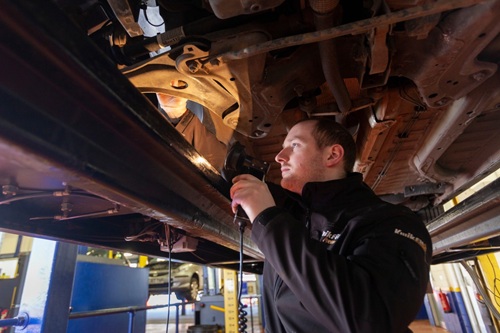
In some cases, yes, provided the vehicle is a Category S or N. You can buy the car back from your insurer and fund the repairs yourself, but you should proceed with a full understanding of the risks.
The repairs may cost more and take longer than anticipated, as the original assessment may not have identified every issue. The car will always be worth less than an equivalent vehicle with a clean history, and it can be more difficult and more expensive to insure. A Cat S car must also be re-registered with the DVLA before it is road legal. Weigh these factors carefully against the insurance pay out before deciding whether it is worthwhile.
Always check a car’s history before you buy
A write-off is not necessarily something to fear, but buying one unknowingly, or buying a poorly repaired one, can prove costly. Avoid Category A and B cars, approach Category S and N cars with appropriate caution, and insist on evidence of proper repairs. Above all, carry out a history check before you pay, because the modest cost of a check is far lower than the expense of an undisclosed write-off.
You can begin with a MotorCheck car history check to review a car’s full record before you commit.
Frequently Asked Questions
What’s the difference between a Cat S and a Cat N write-off?
A Cat S (structural) write-off has sustained damage to the car’s structural frame, such as the chassis or crumple zones, and must be re-registered with the DVLA after repair. A Cat N (non-structural) write-off has damage to non-structural parts, such as panels, electrics or brakes, and can return to the road without re-registration, though you must still notify the DVLA. Both can be legally driven once they have been properly repaired.
Can you still legally drive a car that’s been written off?
It depends on the category. Category A and B cars can never return to the road and must be scrapped. Category S and N cars can be legally driven again once they have been repaired to a roadworthy standard, and a Cat S car must also be re-registered with the DVLA first.
Is it safe to buy a Cat S or Cat N car?
It can be, provided the repairs have been carried out properly and to a high standard. Always ask for evidence of the damage and repairs, arrange an independent inspection through the AA or RAC, and confirm that you can insure the car before buying. If the seller cannot demonstrate how the car was repaired, it is safer to look elsewhere.
How can I check if a used car has been written off?
Carry out a vehicle history check using the car’s registration before you buy. A MotorCheck report draws on national motor insurance and DVLA records to show whether a car has been written off and under which category, along with any outstanding finance, mileage discrepancies or stolen markers.
Will I pay more to insure a Cat S or Cat N car?
Usually, yes. Many insurers charge higher premiums for repairable write-offs, and some will not cover them at all, so it is worth obtaining a quote before you buy. You must always declare a car’s write-off status to your insurer, as failing to do so can invalidate your policy or constitute fraud.
What is a Q-plate, and should it put me off buying?
A Q-plate is a registration mark beginning with “Q”, issued when a vehicle’s age or identity cannot be confirmed, for example a rebuilt car or one assembled from parts. It is not automatically a cause for concern, but it does mean you should examine the car’s history carefully and obtain an independent inspection before buying.
 by
by