Why Used EVs Are a Growing Clocking Risk
- 25 Nov 2026
- in Electric Vehicles
- by Michael Rochford
Used electric cars are a growing target for clocking. In a 2026 survey of 310 UK used car dealers, 60% said clocking had increased over the past five years and 27% singled out electric vehicles as particularly vulnerable. A new pay-per-mile tax on EVs from April 2028 will add a further incentive.
- Why: lower mileage means a higher resale price, avoids PCP excess mileage charges and can keep a car within its eight year, 100,000 mile battery warranty and, from April 2028, will cut pay-per-mile tax bills.
- How: software is used to wind back the digital odometer, or a mileage blocker is fitted to slow or stop it recording miles.
- The risk: if a clocked EV falls outside its battery warranty, a battery fault could cost several thousand pounds.
- How to spot it: check the MOT mileage history, compare the battery state of health with the mileage, and run a full car history check before you buy.
Two assumptions are often made about modern cars. The first is that electric cars are essentially digital, run by software rather than mechanical parts. It is an oversimplification, but an understandable one. The second is that because mileage is now recorded digitally, clocking a car (reducing its mileage to achieve a higher sale or trade-in price) is a thing of the past.
The second assumption is wrong, and electric cars are increasingly in the frame. In an October 2026 survey of 310 UK used car dealers by car marketplace Cazoo, six in 10 said clocking had increased over the past five years, and 27% identified electric vehicles as particularly vulnerable. Among the dealers who believed clocking was rising, 67% attributed it to technology making digital mileage alteration easier.
Given the size of the UK market for used electric cars in previous years, this might once have been considered a minor issue. That is no longer the case. According to the Society of Motor Manufacturers and Traders (SMMT), the UK's used electric car market grew by two thirds in the second quarter of 2026 compared with the same period in 2025, and EVs now account for a record 5.5 per cent of all used cars on sale. With more EVs reaching the used market and a pay-per-mile tax arriving in 2028, the incentive to clock them is only likely to grow.
Why are electric cars a growing target for clocking?
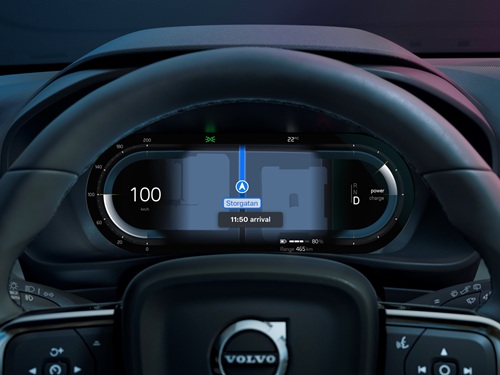
Cars are clocked for several reasons, but the most common is profit. A car with lower recorded mileage commands a higher price, because mileage is one of the biggest factors in a car's value. This may be especially true for EVs, as used electric car values have so far been weaker than those of petrol, hybrid or diesel cars.
PCP finance adds a further incentive. A significant number of new electric cars are sold on PCP agreements, which work in a similar way to leasing and typically run for three years with strict mileage limits. Exceeding those limits can result in substantial excess mileage charges when the car is returned, which gives owners a reason to reduce the recorded mileage. PCP cars that come up for sale early may also still have money owing on them, so checking for outstanding finance is as important as checking the mileage.
For EVs, there is also a warranty incentive. Almost all new electric cars come with an eight year, 100,000 mile warranty on the battery, which usually guarantees that it will not fall below 70% of its original capacity in that time. Battery replacement and repair costs are high, so reducing a car's mileage to keep it within its original battery warranty can be a strong motive for fraud.
How are cars clocked? Digital tampering and mileage blockers
Before digital odometers, clocking meant removing the instrument panel and physically turning back the mileage counter. A clocked car could often be identified by digits that did not line up correctly. Digital odometers cannot be altered in this way.
Instead, software is used to bypass a car's built-in systems, access the digital mileage record and reduce it. This carries a risk of discovery, particularly if the car's mileage has already been recorded at an MOT or in a previous advert. As a result, fraudsters are increasingly turning to a mileage blocker. Rather than reducing the recorded mileage, a mileage blocker slows or pauses the rate at which it increases, which makes it far harder to detect.
Is a clocked EV a worse buy than a clocked petrol car?
In many respects, yes. Any clocked car is a poor purchase, as the buyer is not getting what was advertised or paid for. With a petrol or diesel car, mechanical problems hidden by clocking can usually be repaired. A clocked EV carries a greater financial risk. If the battery develops a fault and the car is found to have been clocked, the battery warranty may no longer apply, leaving the owner with a repair bill of several thousand pounds.
Can an MOT record reveal a car's clocked history?
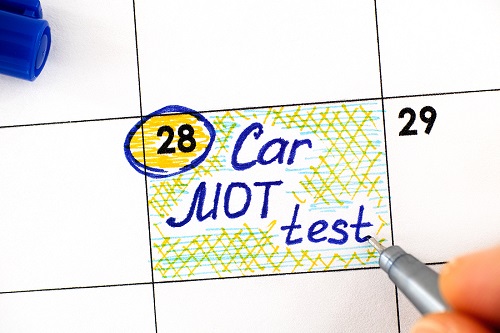
A car's MOT history can reveal clocking. Mileage is recorded at every MOT, so if a car's current mileage is lower than its most recent MOT reading, it has clearly been clocked.
More subtle cases are harder to identify. If the mileage has only been reduced slightly, the MOT record will still show it increasing. The most reliable approach is to review the annual mileage over time and look for any significant change in pattern. For example, if a car has averaged 16,000 miles a year and then drops to 5,000, the reason should be questioned. There can be legitimate explanations, such as a change of owner or a shorter commute, but it remains a red flag.
Can I check the mileage against the battery's state of health?
The battery state of health figure is the most important check for any used EV buyer. It shows how much life remains in the battery and gives an indication of how well it has been maintained. EV batteries have proven more durable than first expected, and many high-mileage EVs show low levels of battery degradation. Even so, comparing the mileage with the battery's state of health can help to identify clocking.
There is no fixed rule, as every battery and every owner is different. On average, an EV battery degrades by around 1.8 to 2.0 per cent a year with normal use. Charging mostly at home results in slightly lower degradation, while frequent rapid charging can increase it to around 3.0 to 4.0% a year.
A car with low mileage but high battery degradation should be treated as a warning sign. Where possible, ask the previous owner how the car was usually charged, as this helps to build a clearer picture of its history.
How common is car clocking in the UK?
Clocking is a significant problem. Industry estimates suggest that up to 160,000 clocked cars are for sale in the UK at any one time. That is around two per cent of the used car market, or two in every 100 cars advertised.
How to spot a clocked car and protect yourself
The first step is a MotorCheck car history check, which gives a full picture of a car's background before you buy. Our car mileage check reviews the mileage recorded across a car's history, so any inconsistencies are easy to see.
The following checks can also help:
- Review the MOT mileage year by year. Look for any drop in mileage, or a sudden fall in annual mileage that the seller cannot explain.
- Ask for the battery state of health. On an EV, compare it with the mileage. Low mileage with high degradation is a warning sign.
- Check the paperwork. Service invoices, tyre receipts and previous adverts should all show mileage consistent with the MOT record.
- Look for wear that does not match the mileage. A worn steering wheel, pedal rubbers or driver's seat bolster are unusual on a genuinely low-mileage car.
- Take a thorough test drive. Our guide on how to test drive a used car explains what to look and listen for.
If the mileage does not add up and the seller cannot provide a clear explanation, it is best not to proceed with the purchase.
FAQS: Clocked Cars
What is a clocked car?
A clocked car is one that has had its mileage reading illegally reduced to make it look less used than it really is. Sellers do it to get a higher price, to avoid PCP excess mileage charges, or to keep a car within its warranty limits. Around two per cent of used cars for sale in the UK are thought to be clocked.
What is a mileage blocker?
A mileage blocker is a device that plugs into a car's electronics and stops or slows the odometer from recording miles as the car is driven. Unlike traditional clocking, it doesn't wind the mileage back, so the MOT record still shows the mileage going up. That makes a mileage blocker much harder to spot than a straightforward rollback.
How can you tell if a car has been clocked?
Check the MOT mileage history for any drop in mileage or a sudden fall in annual miles. Make sure service records, receipts and old adverts match the MOT readings. Look for wear on the steering wheel, pedals and driver's seat that doesn't fit the mileage. On an EV, compare the battery state of health with the mileage.
Can I check a car's mileage history for free?
Yes. The GOV.UK MOT history service shows the mileage recorded at every MOT since 2005, free of charge. Cars under three years old won't have an MOT yet, so you'll need service records or a full vehicle history check to see their mileage.
Is clocking a car illegal in the UK?
Changing a car's mileage reading isn't illegal in itself, for example when a faulty instrument cluster is replaced. It is illegal to sell a car with altered mileage without telling the buyer. A seller who does so can be prosecuted under consumer protection and fraud laws.
What can I do if I've bought a clocked car?
If you bought from a dealer, the Consumer Rights Act 2015 says a car must be as described, so you can ask for a refund, repair or price reduction. If you bought privately, the car must still match the seller's description. Contact the Citizens Advice consumer helpline, which can pass the case to Trading Standards.
 by