What Does Euro 7 Mean for UK Drivers and Used Car Buyers?
- 25 Nov 2026
- in car buying tips
- by Michael Rochford
Euro 7 is the new European emissions standard for new cars, vans, trucks and buses. In the EU, it applies to newly approved car and van models from 29 November 2026 and to all new cars and vans from 29 November 2027. Great Britain will make Euro 7 the minimum standard for all new cars and vans registered from 29 November 2027, while Northern Ireland follows the EU dates. Euro 7 does not apply to cars already on the road, so a Euro 6 or older car stays legal to drive, tax and MOT. For the first time, it limits brake dust and tyre wear, sets minimum battery health for electric cars, and requires emissions systems to stay within limits for up to 10 years or 200,000 km. No changes to ULEZ, the MOT or car tax have been announced as a result.
The latest round of European emissions rules kicks in this month, and it involves a significant change. From 29 November 2026, every brand-new car and van model seeking approval in the EU must meet Euro 7. For the first time, a car's emissions won't be judged only on what comes out of its exhaust. Dust from brake pads and discs, and tiny plastic and rubber particles shed by tyres, will also count. Euro 7 also brings strict new rules on electric car battery life, and on how long a car's emissions systems must keep performing.
Great Britain is following suit, a year later. In October 2026, the Department for Transport confirmed that all new cars and vans registered in Great Britain must meet Euro 7 from 29 November 2027. So what does that mean if you drive, or are about to buy, a used car?
What is Euro 7?
Euro 7 is the seventh stage of the European emissions standards that started with Euro 1 in 1992. It’s set out in EU Regulation 2024/1257 and replaces the separate rules that covered cars and vans (Euro 6) and trucks and buses (Euro VI). For the first time, it applies to every type of car, whether petrol, diesel, hybrid or fully electric.
Unlike previous stages, Euro 7 doesn’t make exhaust limits for cars much tougher, as those stay broadly at Euro 6 levels. Instead, it widens what gets measured and extends how long a car has to keep meeting the limits.
When does Euro 7 come into force in the UK?
Euro 7 applies to all new cars and vans registered in Great Britain from 29 November 2027. The EU’s earlier date for brand-new model types, 29 November 2026, isn’t being made mandatory in Great Britain.
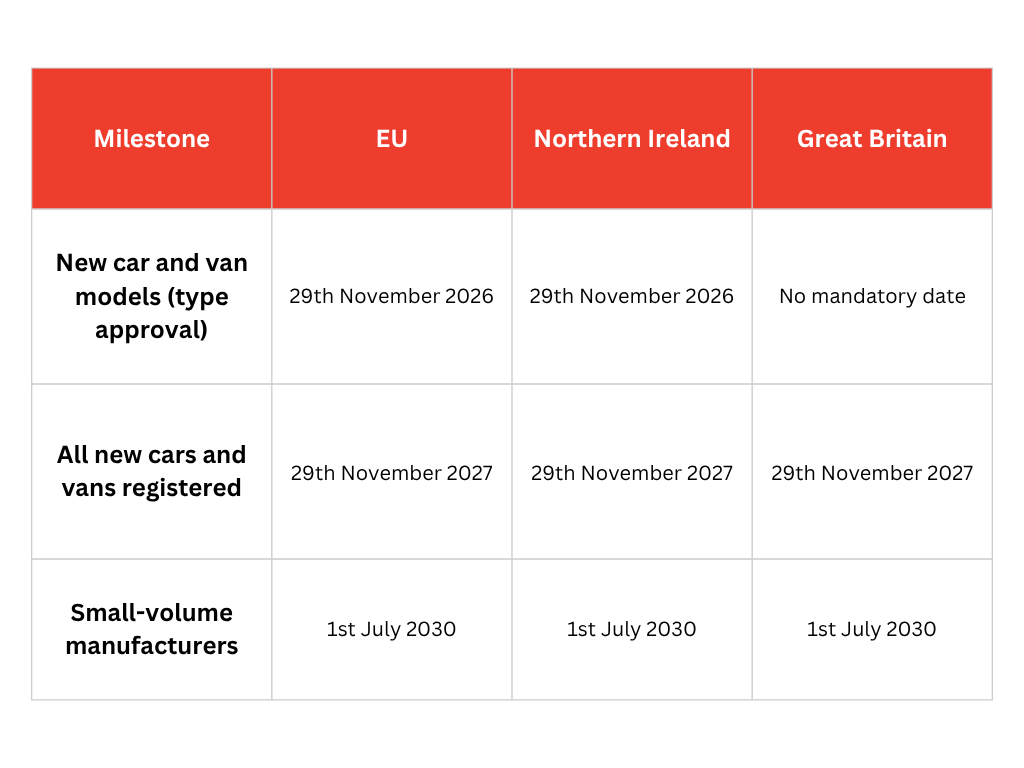
Trucks, buses and coaches follow a later timetable, with EU dates of May 2028 for new types and May 2029 for all new registrations. EU lawmakers are currently debating a postponement of those heavy-duty dates, and the UK government will consult on them separately.
What changes under Euro 7?
Euro 7 adds limits on brake and tyre particles, battery health rules for electric cars, longer durability requirements and on-board emissions monitoring.
Brake dust limits
Euro 7 caps the particles given off by brakes at 7 mg/km for petrol, diesel and hybrid cars, and 3 mg/km for fully electric cars, which use their friction brakes less thanks to regenerative braking. From 2035, the 3 mg/km limit is set to apply to all cars.
Tyre wear limits
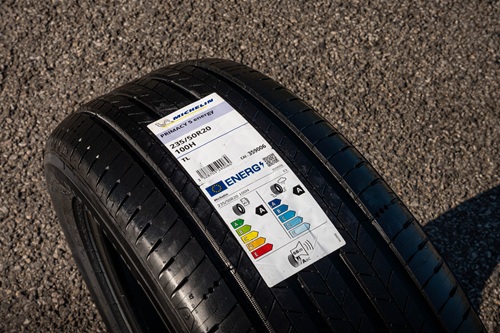
Tyres shed tiny particles of rubber and plastic as they wear. Euro 7 introduces the first tyre abrasion limits, starting with new car tyre designs from July 2028 in the EU. The exact limit values are still being finalised.
These particles have been ignored in official emissions figures until now, but they can be a serious health hazard because they’re ultra-fine and all too easy to breathe in. They’re also often washed into drains by rain, entering the water system and eventually the sea, adding to the microplastics problem. The UK’s National Atmospheric Emissions Inventory now estimates that brakes and tyres are the dominant source of particulate emissions from road transport.
Battery health rules for electric and plug-in hybrid cars
Electric and plug-in hybrid car batteries must keep at least 80% of their original capacity after five years or 100,000 km (about 62,000 miles), and 72% after eight years or 160,000 km (about 99,000 miles). New models will also need a battery health indicator the driver can see, which should make it easier to judge a used EV before you buy. Read our guide to EV battery degradation for what to look out for in the meantime.
Emissions systems built to last longer
Cars must stay within the emissions limits for up to 10 years or 200,000 km (about 124,000 miles), double the Euro 6 requirement. Tests will also cover a wider range of real-world conditions, including short journeys and extreme temperatures, and count smaller exhaust particles than before.
On-board monitoring and anti-tampering
Euro 7 cars will monitor their own exhaust emissions in real time and can warn the driver when the emissions control system needs repair. Manufacturers must also protect these systems from tampering.
Frequently Asked Questions on Euro 7 for UK Residents
I’m buying a used car. Does Euro 7 affect me?
Not right now. Euro 7 only applies to new vehicles, so a car that’s already registered won’t need to be modified, retested or taken off the road. A Euro 6 or older car stays legal to drive, tax and MOT exactly as it is today. However, there will almost certainly be some knock-on effects further down the line, and we’ve covered the main questions below.
Will Euro 7 change the MOT?
No changes to the MOT have been announced. The MOT isn’t set by European regulations; the DVSA sets its own emissions tests and is likely to watch how Euro 7 beds in. New Euro 7 cars won’t need their first MOT until they’re three years old, but features such as on-board emissions monitoring and battery health indicators could eventually give testers more to work with. When the government consulted on Euro 7, some respondents called for battery health checks to be added to the MOT, though that isn’t government policy. For what has changed, see our round-up of the latest MOT rule changes.
Will Euro 7 change ULEZ and Clean Air Zones?
Not at the moment. London’s ULEZ and the UK’s charging Clean Air Zones are built around Euro standards: petrol cars need to meet Euro 4 and diesel cars Euro 6 to avoid the daily charge. No plans have been announced to raise those thresholds to Euro 7, and because Euro 7 exhaust limits for cars are broadly the same as Euro 6, a switch would do little to cut exhaust pollution. Emissions zone rules have been tightened before, though, so it’s worth knowing where any car you’re buying stands. You can check whether a car is ULEZ compliant with a MotorCheck report.
Will Euro 7 make brakes and tyres more expensive?
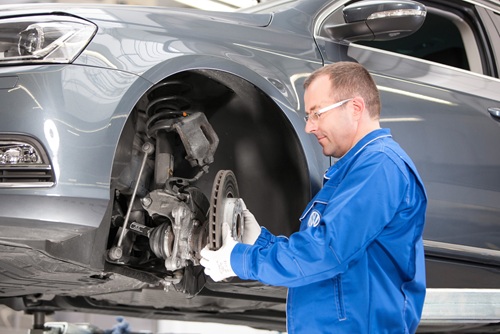
Possibly, but not straight away. Lower-dust brake pads, coated discs and harder-wearing tyres will be designed into new Euro 7 cars first. The UK government has said replacement brakes fitted to Euro 7 cars won’t initially need to meet the new brake dust limits, giving the parts industry time to catch up. Fleet operators have warned that Euro 7 compliant brakes and tyres could cost more once they filter through to the used market, so it may add to the running costs of newer used cars in the years ahead.
Will Euro 7 affect car tax?
Not directly. Vehicle Excise Duty (VED) for cars registered since April 2017 is based on CO2 emissions and list price rather than Euro standards, and Euro 7 doesn’t set CO2 limits. Where Euro standards do matter is company car tax, as diesel cars that don’t meet the latest driving emissions standard (RDE2) pay a 4% Benefit-in-Kind supplement. The government reviews motoring taxes regularly, so keep up with the latest car tax changes and plans for pay-per-mile car tax (eVED). A MotorCheck report also shows a car’s CO2 emissions rating.
Will Euro 7 affect used car values?
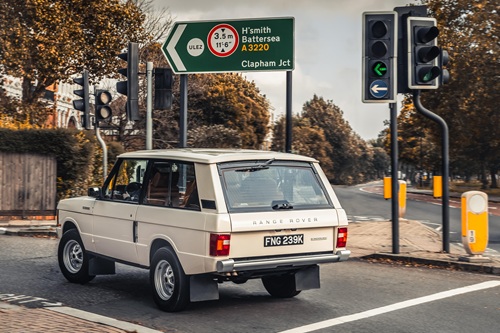
That’s something of an unknown for now, because nothing has changed for cars already on the road. Euro 7 itself shouldn’t knock the value of a Euro 6 car, since Euro 6 cars still meet every current emissions zone standard. The bigger risk to values comes from local rules. When London’s ULEZ was extended in 2021 and again in 2023, many owners of non-compliant cars saw their values fall, while compliant cars, and classics old enough to be exempt from ULEZ charges, became more sought after. If zone rules were ever tightened, older diesels would be most exposed. Before you buy or sell, check what a car is worth.
How can I check which Euro standard a car meets?
If you’re looking at a second-hand car and want to future-proof your purchase, you can check its emissions standard. A MotorCheck vehicle history check shows the car’s Euro emissions rating, along with its background, last recorded mileage, write-off status and other important information you need before making a final decision.
Euro 7 won't change anything about the car you drive today, or the used car you buy tomorrow. It applies only to new cars and vans, with Great Britain's deadline set for 29 November 2027. Where it may make a difference is further down the line, through running costs, emissions zone rules and resale values. The smartest move for any used car buyer is the same as ever: know exactly what you're buying. A MotorCheck car check takes seconds, and shows a car's emissions rating alongside the history that matters most.
 by